﷽
Q. Noble Shaykh, it has come to our attention some of the youth delving into the ʿaqāʾid (beliefs) of one another, and accusing one another without knowledge, and they are from those whom we perceive to be from the people of good. We hope for your advice to the likes of these youth.
A. All praise is due to Allāh and may His prayers and peace be upon Allāh’s Messenger Muḥammad as well as his family and companions.
Accusations are divided into two categories:
1- A category which has no basis to rely on and yet imposes the accusation.
2- Another category is based on a circumstantial evidence or indications. So the one who made this (accusation) is not to be blamed. For example, if someone who attributes himself to the methodology of Ahlus-Sunnah wal-Jamāʿah and the way of the Salaf was seen walking with the ḥizbiyyūn (biased partisans) or sitting with them and laughing with them, and he was advised but he did not accept the advice, then in this case if he is accused of being a ḥizbī, then the accusation is justified. In addition to that, if this man is defending the ḥizbiyyūn in his speech, then the circumstantial evidence is further honored and supported, and through it the strength of the accusation becomes clear. This is as some of the Salaf said:
“Whoever conceals his innovation from us, his companionship will not remain hidden from us.”1
If the accusation is unjustified, without any evidence or anything explicit, then this is the second category in which it is forbidden for the accuser to accuse without evidence. This person should be advised, and he must fear Allāh -ʿAzza wa Jal- and refrain from speaking in which there is belittlement of people or unjust accusation against them, because this is not permissible. So it is not permissible to insult one’s brother unjustly, as we have said. And we have already mentioned that backbiting is forbidden.
Backbiting: it is what is intended to belittle one’s brother. However, if one intended by backbiting to protect and defend the religion, then exposing a Muslim is permissible for this purpose.
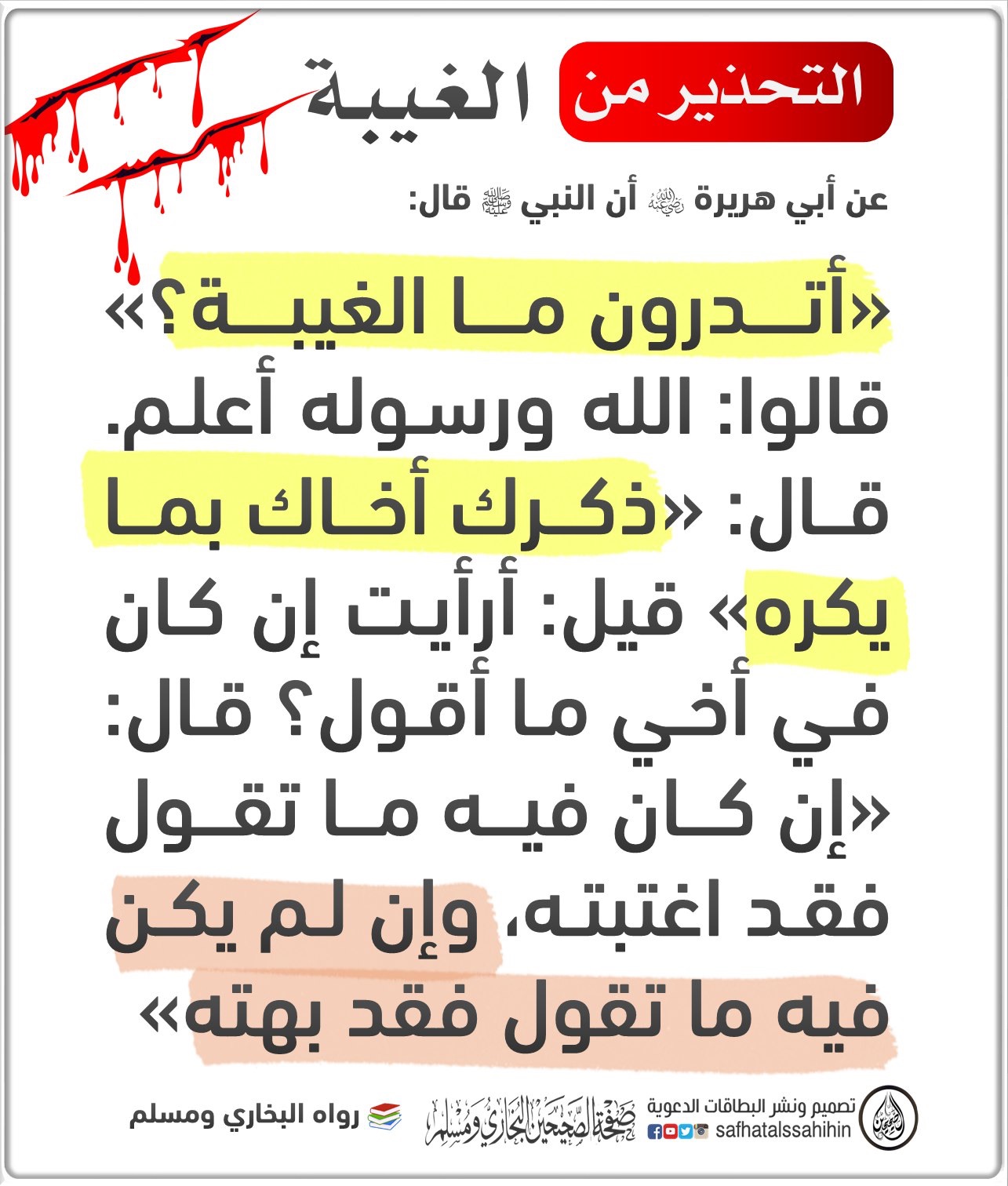
The Prophet ﷺ said: ❝Do you know what is backbiting?❞
They (the Companions) said: Allāh and His Messenger know best. Thereupon he (the Prophet) said:
❝Backbiting implies you’re talking about your brother in a manner which he dislikes.❞
It was said to him: How about if what I say regarding my brother is true? He said:
❝If what you assert is truly found in him, then you have backbitten him, and if that is not in him, it is a slander.❞2
Reported by Muslim
So it is clear from what was mentioned that the difference is the intention behind the speech, that it be to protect and defend the religion.3
Whereas if it is to belittle a person and expose his faults without right, then this is forbidden backbiting.
Allāh is the granter of success.
– Shaykh Aḥmad bin Yaḥya an-Najmī -may Allāh have mercy on him-
– Question no. 96, Al-Fatāwā al-Jaliyyah ʿan Al-Manāhij ad-Daʿwiyyah (The Precise Verdicts on the Da’wah Methodologies), Vol. 2, Pg. 150
– Translated by Abū Āsiyah Muzaffar أصلحه الله سريرته
Source: https://archive.org/details/AhmadNajmiFataawaJaaliyyah/page/n146
Footnotes (from the book):
- Reported by Ibn Baṭṭah in his al-Ibānah al-Kubra, no. 420, on the authority of al-Awzāʿī -may Allāh have mercy upon him- ↩︎
- Reported by Muslim (2589) on the authority of Abū Hurairah -may Allāh be pleased with him- ↩︎
- From that which indicates towards the permissibility of backbiting the innovator and open sinner (Fāsiq) if the objective was in defence and protection of the religion of Islam, is as follows:
1- That which has come in the hadith of ʿĀʾishah -may Allāh be pleased with her- that she said: A man sought permission to see the Prophet ﷺ so he said, ❝Admit him. What an evil brother of his people or a son of his people.❞ But when the man entered, the Prophet (ﷺ) spoke to him in a very polite manner. (And when that person left) I said, “O Allāh’s Messenger (ﷺ)! You had said what you had said, yet you spoke to him in a very polite manner?” The Prophet (ﷺ) said, ❝O ʿĀʾishah! The worst people are those whom the people desert or leave in order to save themselves from their harsh nature.❞ Narrated by Al-Bukhārī and Muslim.
Imam an-Nawawi mentioned in his explanation on the Aḥādīth in Muslim (16/144) transmitting from Qadī ʿIyād bin Mūsa: “This person is ʿUyaynah bin Ḥiṣn, and he had not entered into Islam during this (occurence), even though he had had declared Islam”. Then he said, “In this Ḥadīth: Is the tolerance of one from whom obscenity is feared and the permissibility of backbiting a Fāsiq who is openly sinful, and those from whom the people are in need of being warned against.
Al-Bukhārī referred to this Ḥadīth under the title: “Chapter: What is permissible regarding backbiting people of suspicion and corruption”. (This is one of the 16 points of evidence mentioned by the compiler of the book) ↩︎
س96- فضيلة الشيخ, نَلْحَظ من بعض الشباب الخوض في عقائد بعضهم البعض، واتِّهامهم بغير علم، وهم الذين نحسبهم من أهل الخير نرجو أن تقدموا نصيحةً لمثل هؤلاء الشباب؟
ج96- الحمد لله، والصلاة والسلام على رسول الله، وعلى آله وصحبه؛ وبعد:
الاتِّهام ينقسم إلى قسمين:
1- قسمٌ لا يكون له مستند يستند إليه، ويوجب ذلك الاتِّهام.
2- قسمٌ آخر يستند إلى قرينةٍ أو قرائن، فهذا لا يلام من قاله، فمثلاً لو أنَّ واحدًا ممن ينتمون إلى منهج أهل السنة والجماعة، وطريقة السلف رؤي وهو يمشي مع الحزبيين أو يجالسهم ويضاحكهم، ونصح فلم يقبل النصيحة، ففي هذه الحالة إذا اتُّهم بأنَّه حزبي، فالاتِّهام له مبررٌ, يضاف إلى ذلك ما إذا كان هذا الرجل يدافع عن الحزبيين في كلامه، فإنَّ القرينة تعظم، وتتأيد ويتيبن من خلالها قوة الاتِّهام، ومن ذلك ما قاله بعض السلف: “من ستر عنا بدعته لَم تخف علينا ألفته”().
أمَّا إذا كان الاتِّهام لا مبرر لـه؛ لا بقرينةٍ، ولا بشيءٍ صريح، فهذا هو القسم الثاني الذي يحرم على المتَّهِم فيه أن يتهم بغير قرينة، فهذا ينصح، ويجب عليه أن يتقي الله T، ويترك الكلام الذي يكون فيه تنقص للناس أو اتِّهام لهم بغير حق؛ لأنَّ هذا لايجوز، فالاستطالة في عرض أخيه بغير حق لا تجوز كما قلنا، وقد تقدم لنا أنَّ الغيبة حرام.
والغيبة: هي ما قصد به التنقص لأخيه؛ لكن إن قصد بالغيبة حماية للدين، وذبًّا عنه، فإنَّ عرض المسلم يجوز من أجل هذا الغرض، وقد قال النَّبِي ج:$ أَتَدْرُونَ مَا الْغِيبَةُ؟ ” قالوا: الله ورسوله أعلم؛ قال: ” ذِكْرُكَ أَخَاكَ بِمَا يَكْرَهُ ”. قِيلَ: أَفَرَأَيْتَ إِنْ كَانَ فِي
أَخِي مَا أَقُولُ؟ قال: ” إِنْ كَانَ فِيهِ مَا تَقُولُ فَقَدِ اغْتَبْتَهُ وَإِنْ لَمْ يَكُنْ فِيهِ فَقَدْ بَهَتَّهُ ”() رواه مسلم.
وقد تبين مما ذكر أنَّ الفارق هو أن يكون المقصود بالكلام الذب عن الدين، والدفاع عنه().
أمَّا إذا كان تنقصًا للشخص، وإظهار معايبه بغير حق، فهذا هو الغيبة المحرمة، وبالله التوفيق.

